

01
Pre-launch.
The product is ready. The story is not. The launch reads through whatever the brand says in the first six weeks, so the position has to settle before the page goes live.
A focused positioning sprint for B2B firms whose category has gotten louder than the position they built. Category claim, audience, message hierarchy, buyer thesis. The position runs the firm.
The sprint is not a faster version of a full engagement. It is the right shape for a specific moment. A hard external deadline, a leadership team ready to commit, a position decision that cannot wait on a six-month process.
The product is ready. The story is not. The launch reads through whatever the brand says in the first six weeks, so the position has to settle before the page goes live.
The category shifted. The brand has not caught up. The team needs the new position settled before the next plan ships and the next dollar moves.
The space the firm built in is consolidating, fragmenting, or being renamed by the loudest player. The position has to move before the market picks a default.
The deck needs position before the round opens. The category claim has to underwrite the term sheet so the conversation does not turn on adjectives.
The firm has grown past the position it launched with. The market still reads it as the old version. The position has to catch up to the company.
Position is the architecture every other brand decision rests on. Category alone leaves the buyer out of frame. Audience without a category claim drifts. We settle the four pieces in one engagement so each one rests on the same ground.
The space the firm is competing in. The category the firm is naming, framing, or repositioning itself inside. Settled before any other piece moves so every downstream move rests on the same ground.
The buyer the firm is built around. Their decision context, the alternatives they are weighing, the moment they hit the page. Primary buyer at the center, the rest in orbit.
Headline, sub, three-pillar narrative, audience-specific extensions. The proof points that hold the line on every customer-facing surface so the firm sounds like one author.
The structural difference between the firm and the legacy player, paired with the proof the position needs to carry. The claim the buyer can actually underwrite.
The leadership team is in the room each week or on the call. The studio runs the work. The team owns the decisions. Each phase ships its output before the next phase starts so the work compounds instead of stacks.
Read the brand as it stands. Sales decks, founder posts, product copy, investor narrative. Read the category. Alternatives, gaps, what the buyer hears across the field.
Settle the category claim. Name the space the firm is competing in. Pressure-test against the alternatives. The team is in the room. Alternatives killed before lunch.
Name the buyer the firm is built around. Their context, the alternatives they weigh, the moment they hit the page. Primary buyer settled before the message moves.
Write the structural difference. Map the proof the position needs to carry. The position is real before the words land on it.
Headline, sub, three pillars, audience-specific extensions. Each pillar in the firm's own language. Built so the team can rebuild any deck against it.
Where the position has to land first. Website, sales surfaces, decks, outbound. The ninety-day sequence that pulls the position into the actual work.
Identity work, website work, sales material, outbound. Each one is a translation of the position into a surface. Translate the wrong position and the surface fights the firm. Settle the position first and the surfaces line up behind it.
The sprint ends with the position written, the message hierarchy built, and the ninety-day application brief naming the surfaces the position has to land on first. The team walks out with what the next decision rests on.
Podsense entered podcast monetization with a clear position. Simple, transparent, host-agnostic. The brand had to communicate that without asking for trust.
AdImpact serves political campaigns, brand teams, and journalists at NBC, NYT, WSJ, Axios, and Politico. The brand had to match the rigor of the data.
Audiohook helps brands buy podcast ads with real accountability. The brand had to bridge programmatic rigor with the warmth podcast media is built on.
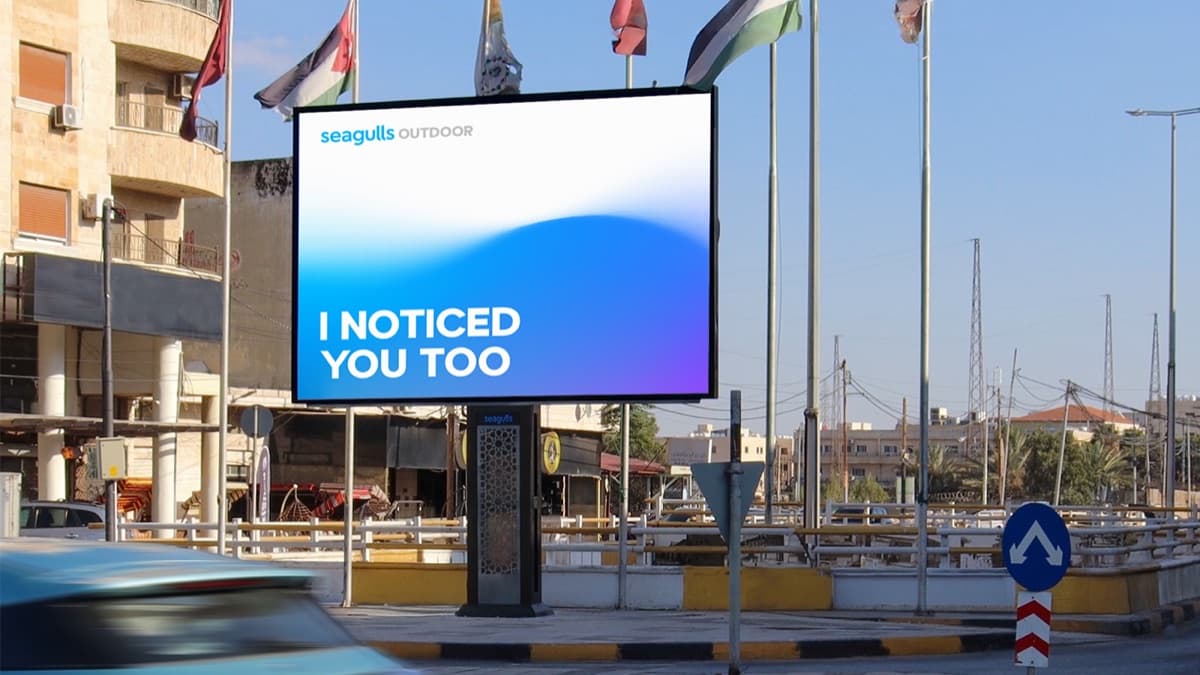
Twenty-nine years building Jordan's most established media network. The rebrand had to read bold enough for region and warm enough for the next decade.