
01
Pre-fundraise.
The deck needs a position before the round opens. A category claim and an audience the term sheet can underwrite, settled before the first investor call.
A compressed positioning sprint for teams that cannot take six months. Three phases with your senior leadership team in the room. Run as consecutive days, weekly calls, or a hybrid that fits the team. You walk out with a category claim, an audience, a message hierarchy, a voice direction, and a ninety-day plan.
The workshop is the right shape for a specific kind of moment. A hard external deadline. A leadership team able to clear three working sessions together. A decision that cannot wait on a six-month process. The format is not a faster version of the long engagement. It is the right format for the moment when speed and alignment matter more than depth.
The deck needs a position before the round opens. A category claim and an audience the term sheet can underwrite, settled before the first investor call.
The team has the product. The story has not been settled. The market reads the launch through whatever the brand says in the first six weeks, so the first six weeks need a finished position behind them.
Two brands, two positions, one company. The market needs one answer before the integration plays out in public. The workshop produces that answer with both leadership teams in the room.
The category has shifted. The brand has not caught up. The team needs the new position settled before the next plan ships against the old one.
Capital is about to commit to a direction. The direction needs to be set first so the budget builds against the right story rather than around an unfinished one.
The workshop ships real work. Each deliverable is something the team can pick up the following Monday and apply against the next surface that goes to market. The position does not stay in the doc. It enters the next deck, the next page, the next post.
The sentence that defines the brand. One claim. Names what the firm is, who it serves, and the alternative it replaces. Built so the team can repeat it back without checking the doc.
Named with enough precision that the wrong buyer self-selects out. A short statement that the team can match a prospect against in thirty seconds. Sales, marketing, and the founder pull from the same definition.
Headline, sub, three pillars. The architecture every deck, page, and post rebuilds against. Each pillar names a different buyer concern in the brand's own language.
The principles that hold across surfaces. How the brand sounds on a sales deck, a job post, a founder note, a product page. Six to ten principles, each paired with an example of the rule applied.
The sequence that pulls the position into the actual work. What ships first, what waits, who owns it. The team leaves with a real next move.
Three working sessions with the senior leadership team present. The studio runs the work. The team owns the decisions. The deliverables are written live. The arc compounds across the three phases so the work that lands in phase three rests on the position that landed in phase two. Consecutive days works. Three weekly calls works. The cadence flexes to the team.
Read the brand as it stands today. Sales decks, founder posts, product copy, the most recent investor narrative. Then read the category. The alternatives, the gaps, what the buyer hears across the field. The position has to defend against something specific.
Settle the position together. The category claim, the alternative, the buyer thesis. The team writes the line in the room. Then name the audience and build the message hierarchy. Headline, sub, three pillars, each one in the brand's own language.
Ship the voice direction. The principles that hold across surfaces, the words the brand uses, the ones it refuses. Examples of each rule applied to live copy. Then write the ninety-day plan that pulls the new position into the actual work the team is shipping next.
The workshop only works because the people who can settle the position are in the room together. CEO, CMO, head of sales, head of product. The decisions that normally take six rounds of email land in one conversation because everyone who can approve them is already at the table.
The compression is not what makes the workshop fast. The room is what makes the workshop fast. The alternatives are killed before lunch because the people who would otherwise debate them later are already debating them now.
The Neuron built the most advanced global DOOH catalog network. The product was years ahead of competitors. The brand had to translate that lead.
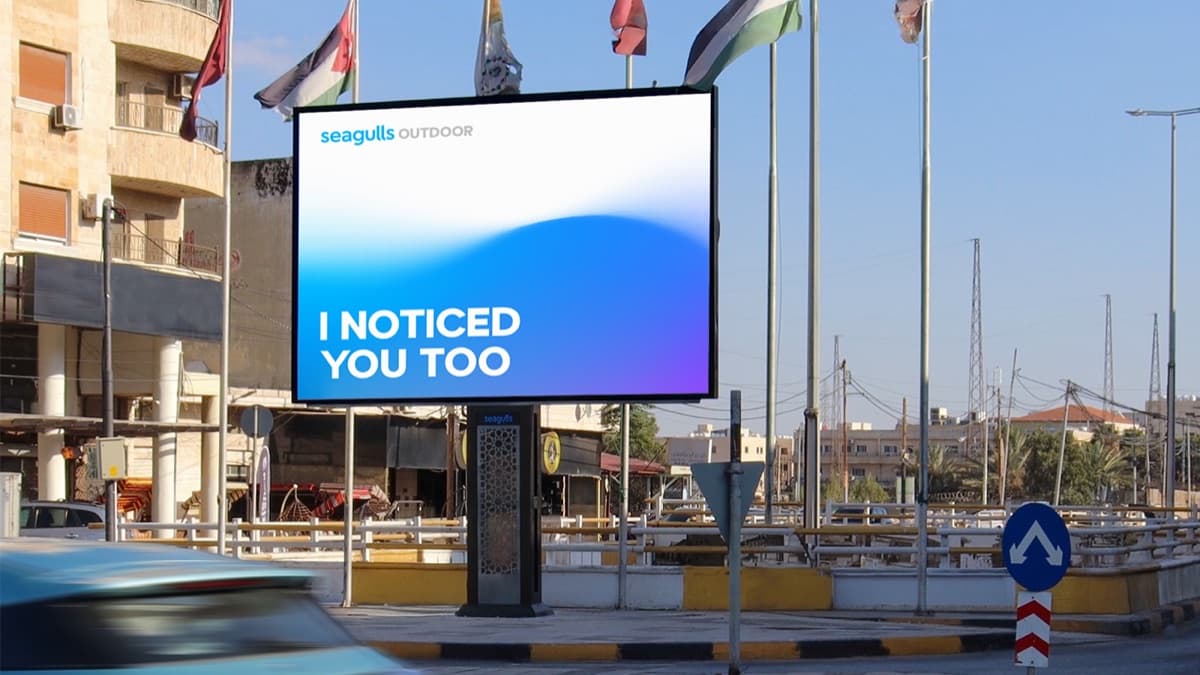
Twenty-nine years building Jordan's most established media network. The rebrand had to read bold enough for region and warm enough for the next decade.
AdImpact serves political campaigns, brand teams, and journalists at NBC, NYT, WSJ, Axios, and Politico. The brand had to match the rigor of the data.