

01
Market-Specific Positioning
A clear position for the new market that coexists with your current position without diluting either. The goal is a brand that feels intentional in the new market, not a generic brand stretched across both.
Your company is growing into a new vertical, a new geography, or a new buyer segment. The brand that won your current market doesn't automatically translate. It was built for a specific audience, a specific problem, and a specific competitive field. Stepping into new territory with an unadapted brand usually means slower traction, harder sales conversations, and deals lost to competitors who speak the new market's language natively.
JOHN LUKE STUDIO builds the brand and positioning work that makes market expansion feel natural to the buyers you're trying to reach.
Expansion works when the brand enters the new market like it was built for it. Not like a visitor.

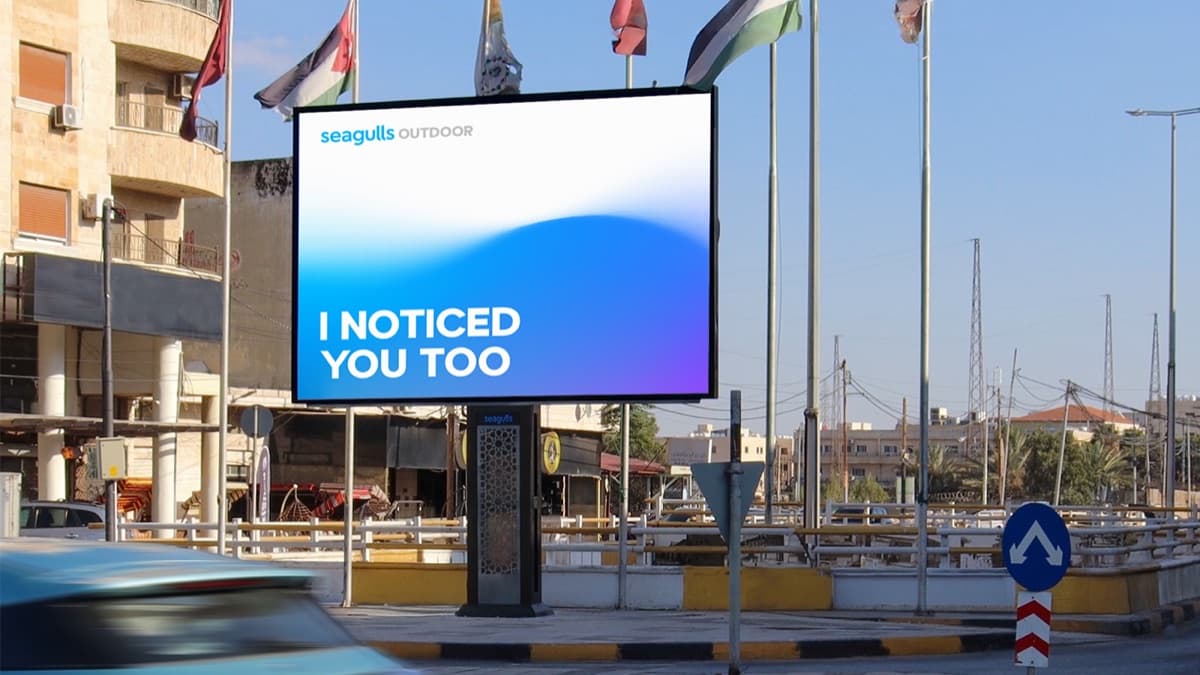
MENA business music platform. The Sound of Business, a brand built for a new geographic market.
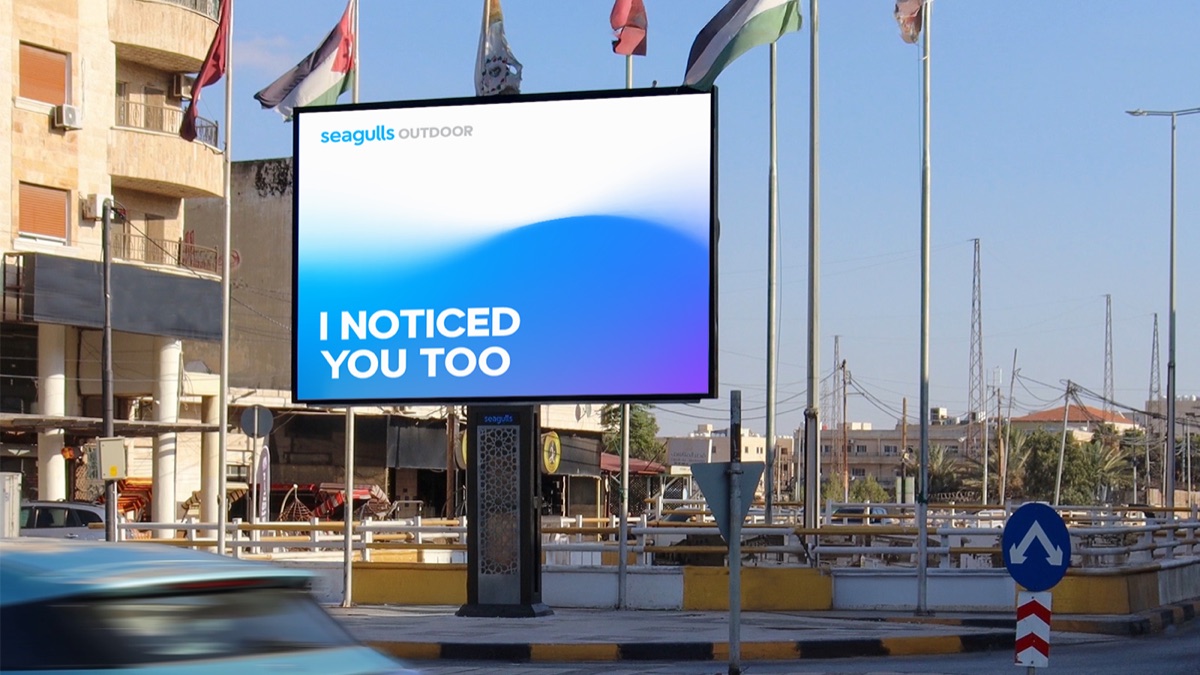
29-year network expanding programmatic across MENA. 27% employee growth post-rebrand.

Cannes Lions market entry campaign for the world's largest DOOH database.

A platform brand built to make podcast advertising accountable across new buying environments.
A clear position for the new market that coexists with your current position without diluting either. The goal is a brand that feels intentional in the new market, not a generic brand stretched across both.
Before any positioning work, we define who the new buyer actually is. Their priorities, their decision process, the language they use, and the competitive options they're comparing you to. Expansion fails when positioning is built on assumptions about the new market rather than research.
When expansion involves multiple buyer segments, verticals, or product lines, architecture matters. We build the structural system that defines how the parent brand relates to segment-specific offerings without creating internal or external confusion.
Same core identity, adapted language. We build messaging tracks specific to each market so your sales team, marketing team, and website can speak each audience's language natively.
Collateral, site updates, sales enablement materials, and the brand-facing assets the expansion needs. Built to launch the new market without distracting from the existing business.
i.
Market Diagnostic
Buyer research, competitive analysis, and a clear map of what the new market actually requires from a brand to succeed.
ii.
Positioning Adaptation
The claim for the new market, how it relates to your existing position, and the architecture that holds both together.
iii.
Build
Messaging, identity adjustments if needed, go-to-market collateral, and the brand system updates the expansion requires.
iv.
Launch Support
Active support during the first 90 days of the new-market push. We stay close so the brand work lands in real sales conversations, not just the pitch deck.
Expansion is a brand problem before it's a sales problem. Get the position right and everything downstream gets easier.