

01
Market-Specific Positioning
A claim designed for the new market that coexists with your current position without diluting either. Built so the new audience sees a brand that speaks their language natively.
A new market is a fresh audience, a new competitive field, and a new set of assumptions about what makes a firm worth hiring. The brand that won your current market doesn't automatically earn the right to play in a new one. Firms that enter new markets successfully do the brand work that makes the new audience feel like they're the brand's intended audience all along.
JOHN LUKE STUDIO builds the strategic and brand foundation that makes market entry feel earned, not aspirational.
New markets don't reward generalists. The firms that land well entered with a position built specifically for the audience they were trying to win.

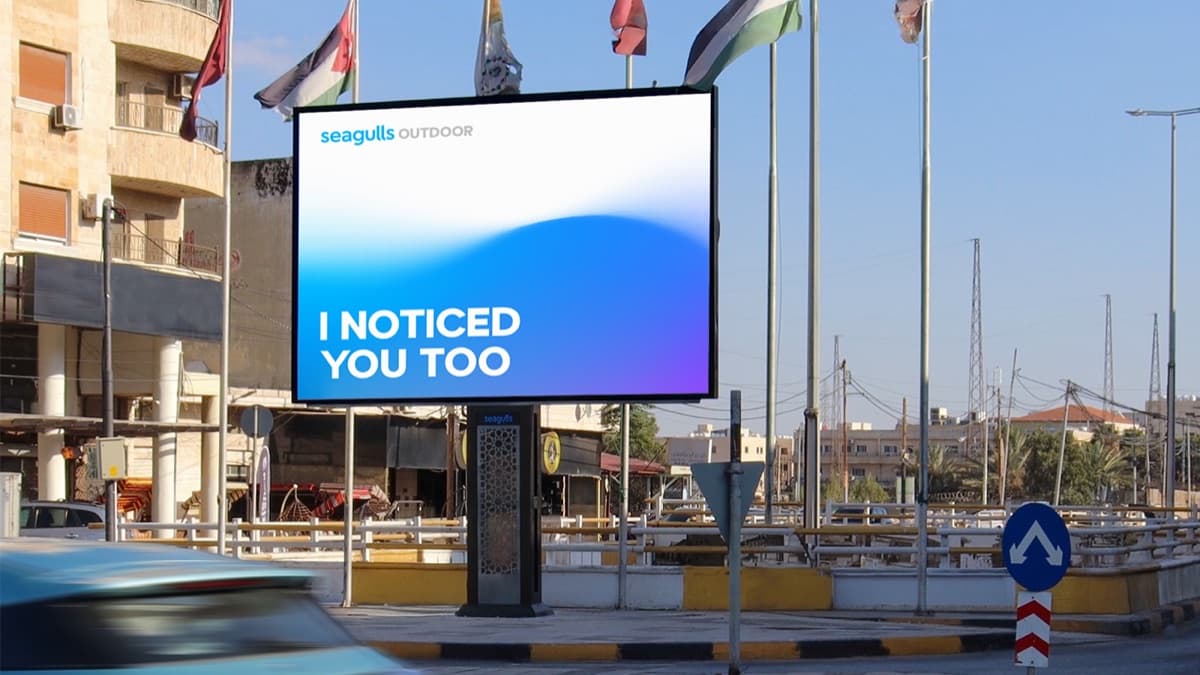
MENA business music platform. The Sound of Business, entering a new geographic market with one line.
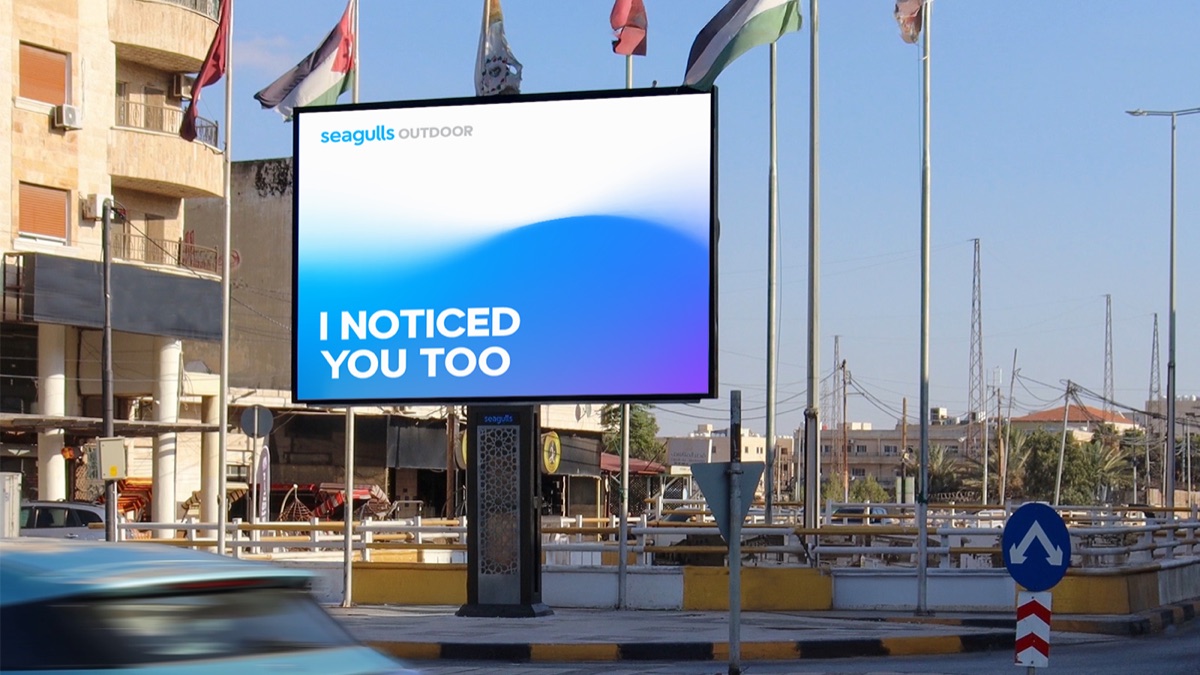
Programmatic expansion across the Middle East. 27% employee growth following the rebrand.

Cannes Lions market entry campaign for the world's largest DOOH database.

Conceptual campaign expanding the brand into new audience territory with Havas.
A claim designed for the new market that coexists with your current position without diluting either. Built so the new audience sees a brand that speaks their language natively.
Before any positioning work, we define who the new buyer actually is. Their priorities, their decision process, the competitive options they're comparing you to, and the specific signals that earn their trust.
When entry involves multiple simultaneous markets or multiple offerings, architecture matters. We define how the parent brand relates to segment-specific positioning so clarity scales with expansion.
Landing pages, segment-specific collateral, sales enablement materials, and the brand-facing infrastructure the new market push requires.
Market expansion. Adding a new vertical, a new geography, or a new buyer segment.
i.
Read · Two to three weeks
The new market's incumbents, the buyer's decision context, the alternatives already on the shortlist, and the gap your firm is the answer to. The category as it actually reads from inside, not from the outside looking in.
ii.
Frame · Two weeks
Entry narrative built. Why this firm, why this market, why now. The structural difference the new buyer can recognize on the first surface they meet, not after a sales call.
iii.
Adapt · Three to five weeks
The brand surface adjusted for the new audience without breaking what's already working with the existing one. Site sub-section or sister-brand, deck, outbound material, and the case studies the new buyer needs to see first.
iv.
Activate · Through six months
First conversations land. We hold cadence on the messaging, the surfaces, and the proof building so the entry compounds instead of stalling at the first quiet quarter.
Most market-expansion failures aren't strategy failures. They're brand-surface failures. We treat them like the sales work they actually are.