03
Moment · Fundraise Prep
Fundraise Prep

Settle the narrative before the round opens.

Investors don't fund products. They fund companies with a clear claim on a market, a team that can execute against it, and a narrative that makes the path feel inevitable. The brand and positioning work you do before a raise is often the difference between a term sheet and a pass.

JOHN LUKE STUDIO gets firms raise-ready. Positioning refinement, narrative rebuild, investor-facing brand system, and the deck architecture that makes institutional capital want in.

The best raises look obvious in hindsight. That's not luck. It's narrative architecture built on a position investors can pattern-match to winners they've seen before.
Signals

When this is the right moment to act.

Series B and beyond. The brand that got you to product-market fit usually doesn't hold up under institutional diligence.

  • Raising from a new investor tier. Moving from angel/seed to institutional, or from growth to late-stage crossover, means a new audience evaluates you.
  • Pivoting or expanding the story. If the last round was about one thesis and the next is about a different one, the narrative needs rebuilding before the first investor meeting.
  • Competing for a hot round. When multiple firms want the same check, the clearest narrative usually wins.
  • Strategic or partnership raises. Non-financial investors (corporate, strategic, family office) evaluate brand quality differently from traditional VCs and often weight it more heavily.

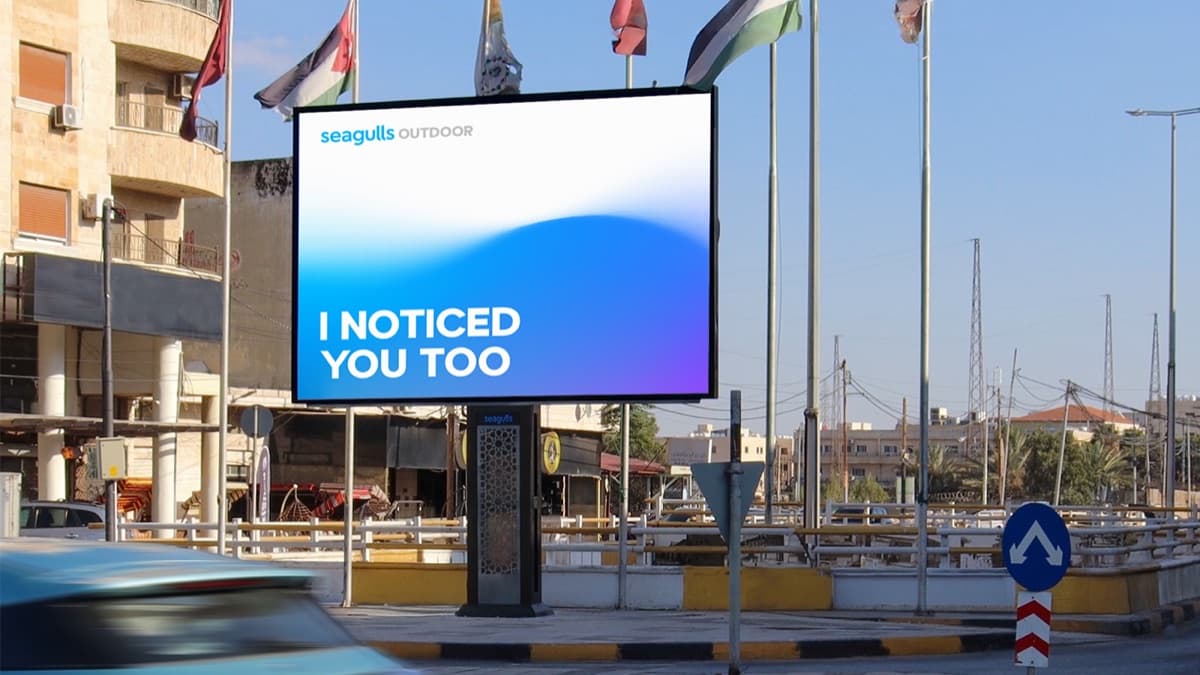
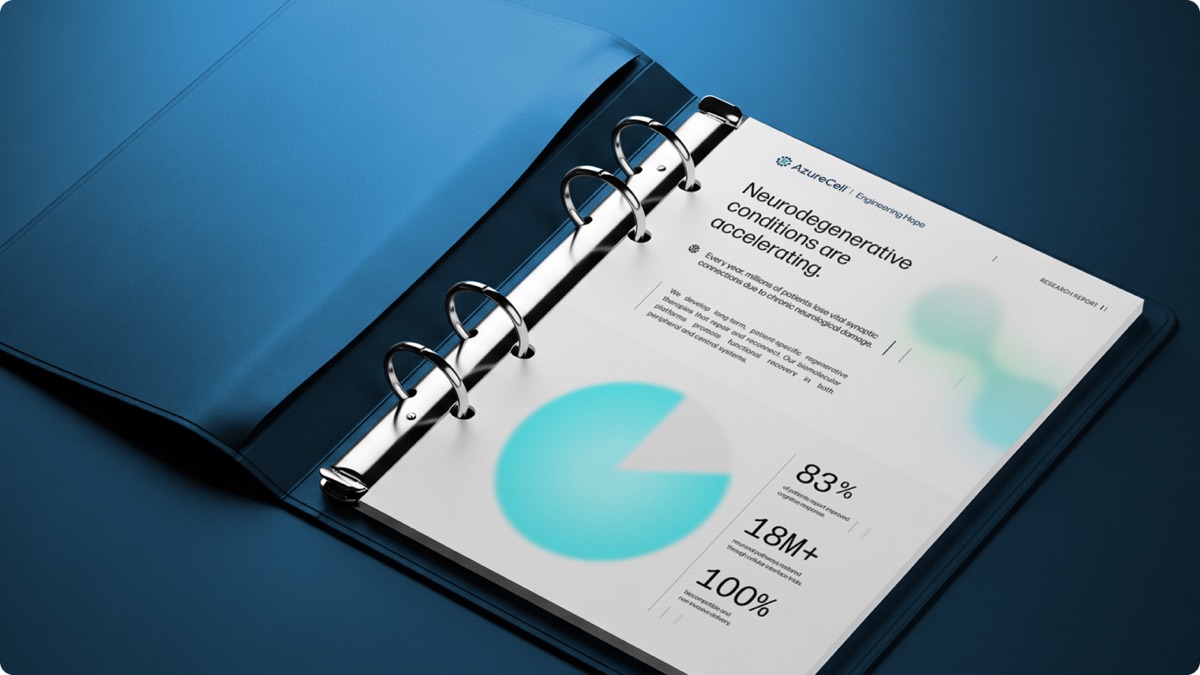
Other brands we built ahead of a fundraise

View All Work
What we deliver

The work, broken down.

01

Positioning and Category Claim

The single most consequential pre-raise decision: what market you're in and what position you claim within it. We pressure-test the category definition, the incumbent framing, and the differentiation that makes you the inevitable winner.

02

Investor Narrative

The story institutional investors need to hear: why now, why you, and why this position becomes more valuable over the next five years. Built for the specific investors you're targeting, not a generic pitch.

03

Pitch Deck / Capital Narrative

The deck is the most visible artifact of the raise. We build pitch decks and capital narratives that are narratively coherent, visually commensurate with the round size, and structured for how institutional investors actually read them.

04

Website and Brand System Alignment

Investors check the website. They check the product. They check the team's public presence. Everything visible needs to reinforce the same position the deck claims. We align the full brand system around the raise narrative.

05

Founder Presence and Message Prep

The founder's ability to tell the story in person is part of the raise. We do the messaging work that makes the verbal pitch consistent with the written one, and coach the language for the specific investor conversations ahead.


Process

How we move through it.

  1. i.

    Diagnostic

    We assess where the positioning, narrative, and brand system currently stand against the round you're raising. We identify the gaps that would cost you the raise.

  2. ii.

    Rebuild

    Positioning refinement, investor narrative development, and the messaging hierarchy the deck and site copy will operate from.

  3. iii.

    Build

    Deck, site updates, brand system alignment, and any supporting materials the raise process requires.

  4. iv.

    Activate

    Final pressure-test, founder coaching on the narrative, and live support during the first investor conversations.

The raise starts before the first investor meeting. Get the narrative right before you need it.

FAQ

Common questions.

When should we start fundraise-prep brand work?

Ideally three to six months before you plan to open the round. That gives time for positioning work, narrative development, deck build, and brand system alignment to land before the first investor conversation. Engagements inside shorter timelines are possible but compressed.

Do you build pitch decks on their own without positioning work?

Sometimes. Our Raise Deck / Capital Narrative offer handles deck work as a focused engagement. But most raises where the deck is the main issue turn out to have an underlying positioning problem. We'll tell you honestly which one you actually need.

How is this different from hiring a pitch deck designer?

A designer makes the deck look professional. A brand and narrative studio makes the story investable. Both matter, but they're different problems. We focus on the narrative architecture and positioning; visual execution lives inside the brand system we build.

Will investors notice if our brand is weak?

At Series A, a weak brand is forgivable if the product and team are strong. At Series B and beyond, a weak brand is a signal of operational immaturity that costs you on valuation, diligence speed, and investor confidence. The bar rises at every round.

What if we're raising from strategic or corporate investors?

Strategic and corporate investors often evaluate brand more heavily than pure financial investors because the deal usually involves partnership or integration. We build investor-specific narratives for these raises rather than generic institutional decks.

Can you help after the raise closes?

Yes. Post-raise is often when the real brand build happens because the runway allows it. We work with many portfolio companies post-close on positioning, identity, and brand system work the pre-raise scramble didn't leave time for.

Related
Moment · Fundraise Prep

Let's get you to fundraise prep.

Schedule a callSettle the narrative before the round opens. | JOHN LUKE