


01
Incumbent-Relative Positioning
A position specifically designed around what the incumbent can't credibly claim. Built to make every sales conversation an opportunity to reframe the comparison on your terms.
The incumbent has scale, recognition, and decades of client relationships. You have better work, sharper thinking, and a clearer point of view. The question is whether the market can see the difference before the incumbent's advantages compound further.
JOHN LUKE STUDIO builds brand strategies designed around one outcome: taking share from the legacy firms that shaped your category. This is what we do. It's the thread through every engagement across wealth, consulting, B2B tech, capital markets, and challenger CPG.
Incumbents have inertia working for them. Challengers need a brand that makes the comparison obvious at a glance.
You've been told your product or service is better than incumbents but sales conversations still default to comparing you on the incumbent's terms.

Reframed a 29-year DOOH incumbent and took share from regional competitors. 37% web traffic growth.

Took category leadership in DOOH from incumbents. 1,750% YoY traffic growth.

Took share in ad intelligence across all 210 DMAs. 1.5K press mentions.
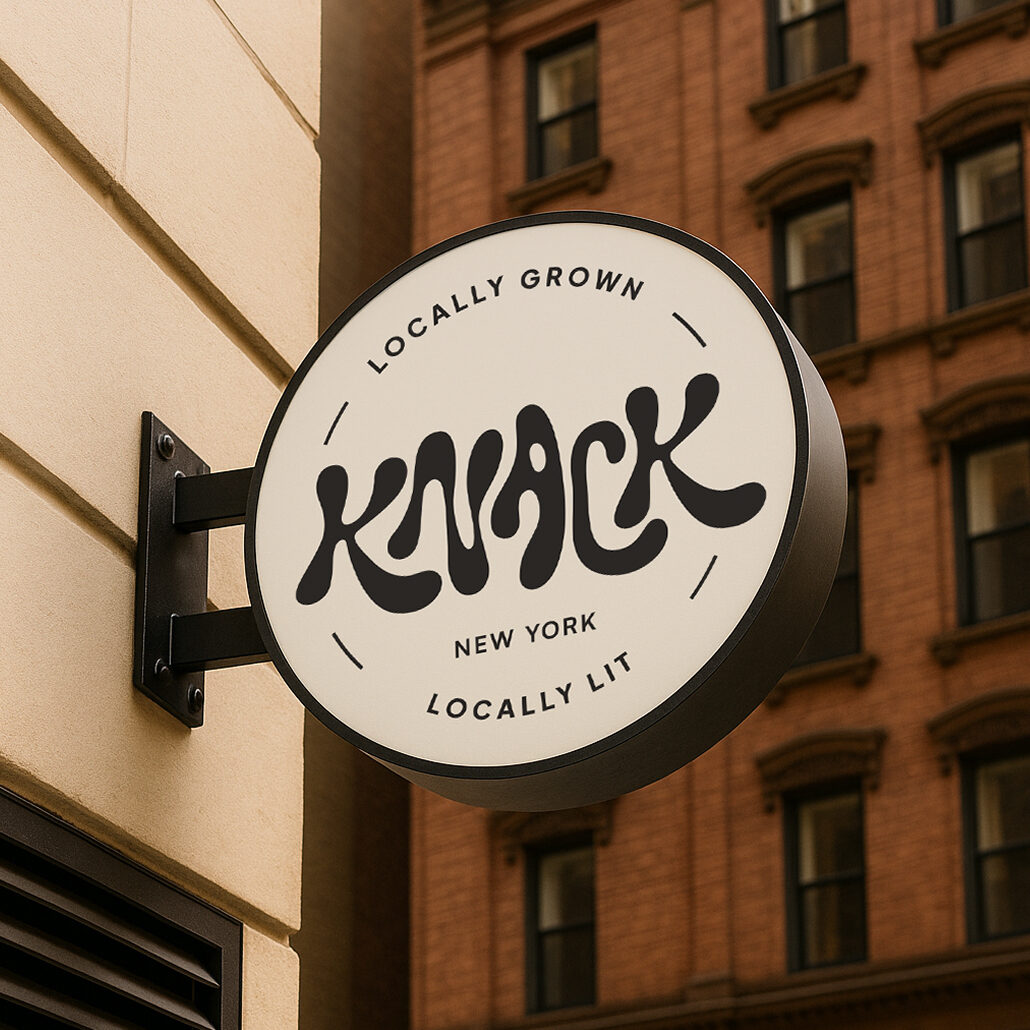
Took shelf share as New York's first recreationally grown cannabis brand.
A position specifically designed around what the incumbent can't credibly claim. Built to make every sales conversation an opportunity to reframe the comparison on your terms.
The words and frames you use to name your category, define it, and own it. Language is where share-taking either works or doesn't. We build it deliberately.
The story your sales team tells about why you exist, what the incumbent can't do, and why the buyer should choose differently. Not attack-based, but claim-based.
The visual and verbal signals that tell prospects you're a serious alternative. The bar is always the incumbent's level of polish, because anything below it reinforces the wrong comparison.
i.
Map · Two weeks
The incumbent's position, the categories they own, and the territory they structurally can't claim, usually because their scale, business model, or installed base prevents them from saying it credibly. The opening you get to walk into.
ii.
Sharpen · Two to three weeks
Position rebuilt around the structural difference the incumbent can't copy. Category claim sharpened so the comparison stops being apples-to-apples and starts working in your favor.
iii.
Deploy · Three to five weeks
Site, deck, sales narrative, outbound material rebuilt around the new position. Sales conversations start carrying the new claim within the first quarter.
iv.
Compound · Through twelve months
Cadence on the messaging, the press surface, and the proof building. Share-taking isn't a spend contest. It's a compounding game. We hold the rhythm.
The best positions are structurally impossible for the incumbent to copy. We look for that kind of defensibility on every engagement.