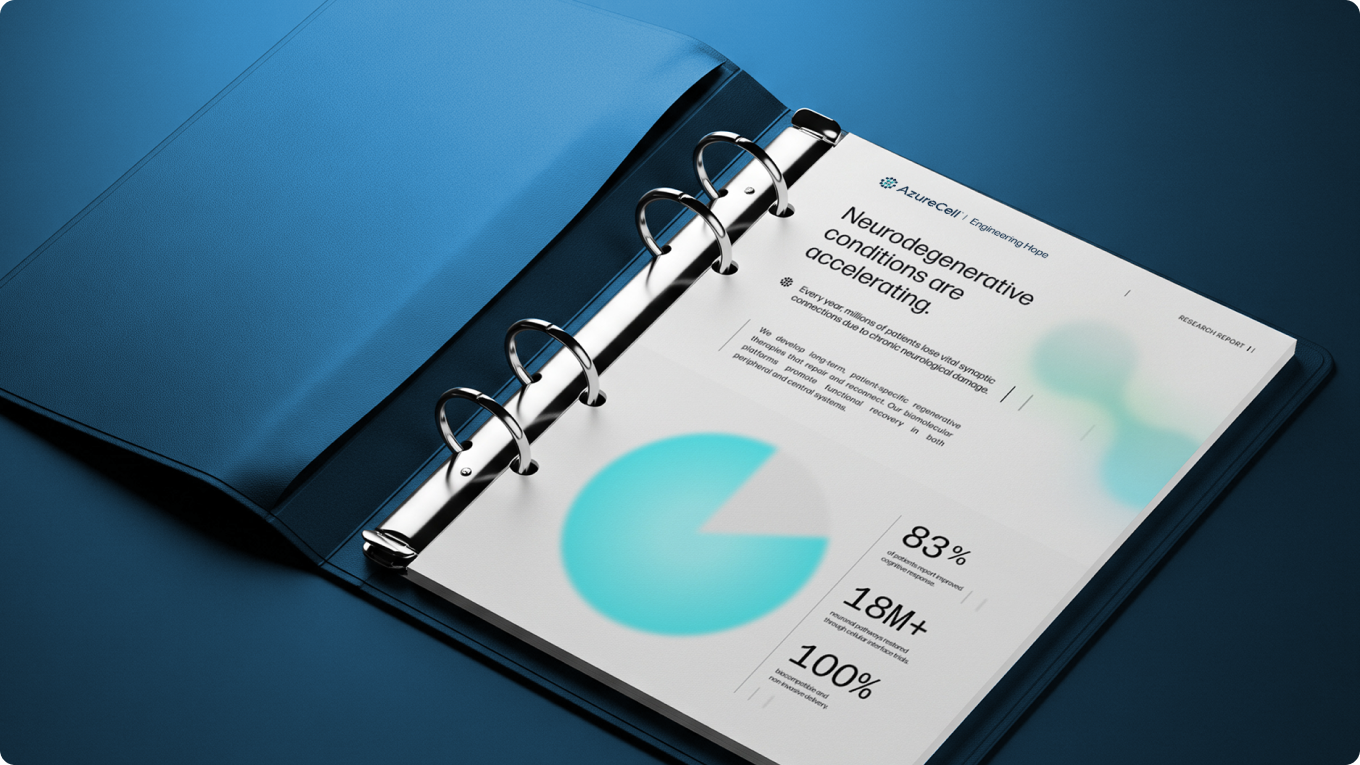
Make the brand match the product.
We work with established B2B tech firms whose product has matured, whose buyer has gotten more sophisticated, and whose marketing leadership is ready to invest in brand as a growth lever.
Positioning that holds up against well-funded incumbents and is defensible enough that adjacent products can't copy it.
A visual and verbal system that gives buyers a fast read on what you do and why you're different.
Architecture, content design, and copy direction so prospects can self-qualify in under a minute.
A clear category claim and the language that supports it. We help you decide whether to fit a category, redefine one, or claim a new one.
Champion, economic buyer, and end-user often want different things. We build messaging that serves all three without diluting any of them.
A visual system that signals technical depth without sliding into generic SaaS palette and stock geometry.
Site structure, page design, and core copy that helps prospects self-qualify, see proof, and book a call.
Master deck, one-pagers, and sales narrative built around the same positioning so the message holds across channels.
A few examples of how we’ve helped firms look serious and sell the story without oversimplifying it.
It builds the brand systems B2B tech companies need to win enterprise deals, command premium pricing, and scale across multiple products or markets. Positioning, visual identity, messaging, and brand architecture. Designed for how enterprise buyers actually evaluate platforms.
The right fit has an established revenue base, with a CMO or VP Marketing in place as the internal project owner. Funding stage doesn't matter as long as the revenue and the buyer are there.
There's meaningful overlap. We use 'B2B tech' for enterprise platforms with complex buying committees, infrastructure products, and technical categories. 'SaaS' covers product-led and mid-market software with faster buyer decisions. Most companies fit one or the other more cleanly.
Before a Series C raise, when moving from mid-market to enterprise, during a platform expansion, or when the current brand is visibly limiting your ability to compete for larger deals.
Yes. Clearer positioning shortens the time it takes buyers to understand you, and a coherent brand makes it easier for internal champions to sell you through procurement. Both compound over the sales cycle.
Most Brand Refresh engagements run three to six months. Full Rebrands typically run four to six months depending on product complexity and the number of audiences the brand needs to reach.